
𝐅𝐚𝐢𝐭 𝐀𝐜𝐜𝐨𝐦𝐩𝐥𝐢 𝐚𝐧𝐝 𝐭𝐡𝐞 𝐏𝐡𝐢𝐥𝐢𝐩𝐩𝐢𝐧𝐞𝐬’ 𝐃𝐢𝐥𝐞𝐦𝐦𝐚: 𝐋𝐚𝐰, 𝐒𝐨𝐯𝐞𝐫𝐞𝐢𝐠𝐧𝐭𝐲, 𝐚𝐧𝐝 𝐇𝐢𝐬𝐭𝐨𝐫𝐲
Beyond legality, a much larger, more profound question looms—one that is historical in nature...

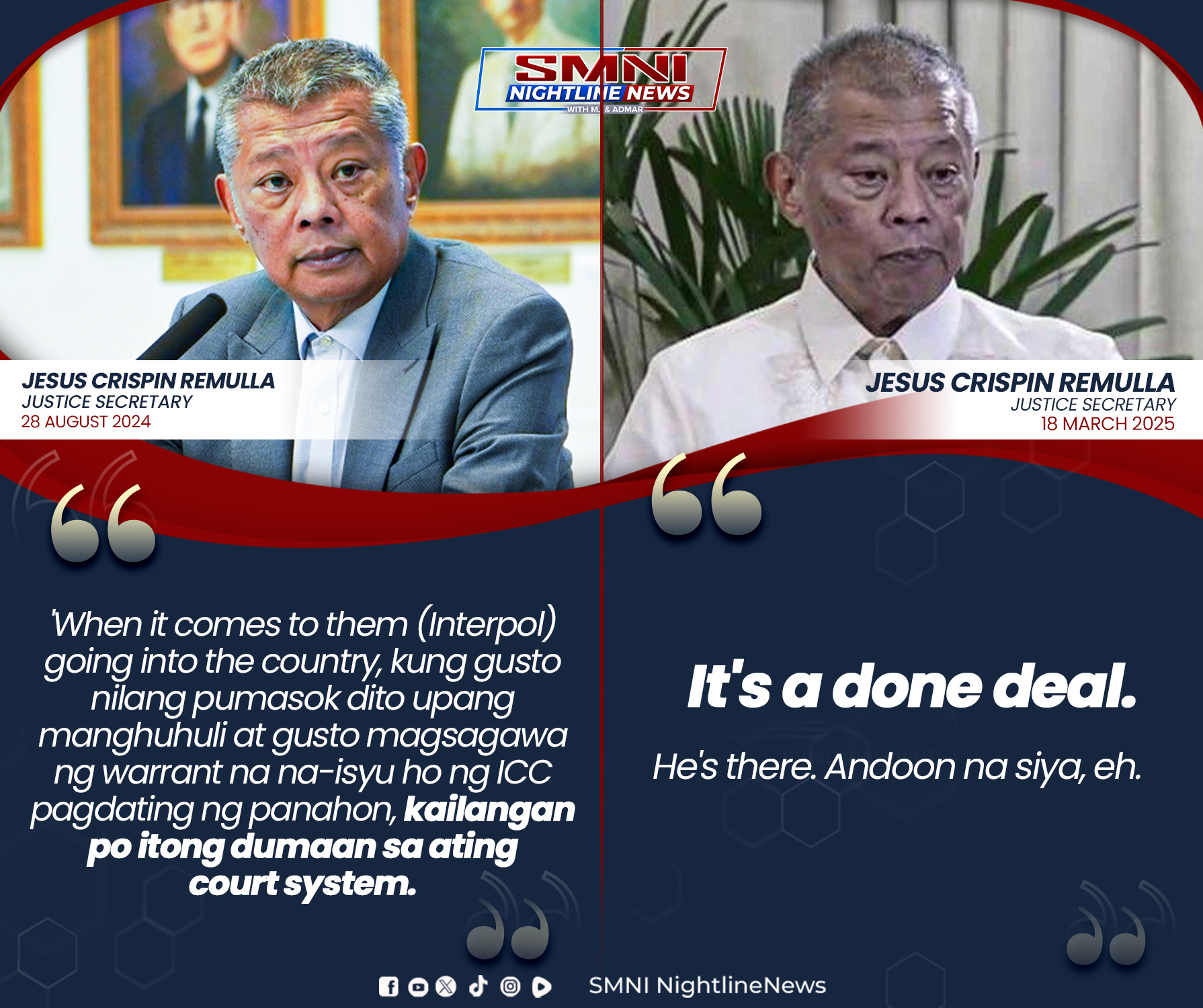
It’s called fait accompli. A fait accompli (French for “accomplished fact”) refers to an action that has already been carried out, leaving others with no choice but to accept it. Imagine someone moving into your house without permission and then declaring, “Well, I’m already here, so you might as well accept it.” In essence, it is a strategy of forcing acceptance through irreversible action.
In international relations, fait accompli plays a crucial role in shaping legal and political realities. Once a fait accompli is established, legal systems often respond by adapting to it rather than reversing it. Take, for example, the 2003 invasion of Iraq. The invasion itself was illegal, but once the U.S. and its coalition had seized control, they became the de facto “occupying power,” subject to the regulations of International Humanitarian Law rather than being forced to undo their actions. Similarly, in the 19th century, not all forms of colonial expansion were fully legal—despite later justifications. Some territories were acquired through questionable means, and for those interested in the legal intricacies of such cases, De Vattel’s discussion on the purchase of inhabited territories offers an insightful perspective.
However, the fait accompli framework does not always apply, especially when the foundational legality of an act is in question. This is particularly relevant in the case of former Philippine President Rodrigo Duterte. Here, another legal principle—"Ex iniuria ius non oritur"—comes into play. This doctrine asserts that unlawful actions do not create legitimate legal outcomes, directly challenging the idea that a fait accompli can justify itself simply by existing.
If Duterte’s transfer to The Hague was carried out in violation of Article 59 of the International Criminal Court - ICC Statute—for instance, if he was not presented before a competent Philippine judicial authority before his transfer—then it becomes questionable whether this transfer constitutes a fait accompli in the legal sense. As Philippine Justice Secretary Jesus Crispin Remulla suggested, the transfer may be a “done deal,” but what does that mean in legal terms? If Duterte is no longer in the Philippines, how can he still be presented before a domestic court? The practical impossibility of reversing the act does not necessarily validate it.
Thus, the critical legal question now before the International Criminal Court (ICC) is: Does the Philippine government’s action create a legally valid situation under international law? This is a significant issue, but beyond legality, a much larger, more profound question looms—one that is historical in nature:
𝑰𝒔 𝒊𝒕 𝒓𝒊𝒈𝒉𝒕 𝒇𝒐𝒓 𝒕𝒉𝒆 𝑷𝒉𝒊𝒍𝒊𝒑𝒑𝒊𝒏𝒆𝒔 𝒕𝒐 𝒄𝒐𝒍𝒍𝒂𝒃𝒐𝒓𝒂𝒕𝒆 𝒘𝒊𝒕𝒉 𝒂 𝒇𝒐𝒓𝒆𝒊𝒈𝒏 𝒆𝒏𝒕𝒊𝒕𝒚 𝒕𝒐 𝒇𝒐𝒓𝒄𝒆 𝒊𝒏𝒕𝒐 𝒆𝒙𝒊𝒍𝒆 𝒂 𝑭𝒊𝒍𝒊𝒑𝒊𝒏𝒐 𝒍𝒆𝒂𝒅𝒆𝒓 𝒂𝒏𝒅 𝒊𝒎𝒑𝒓𝒊𝒔𝒐𝒏 𝒉𝒊𝒎 𝒐𝒗𝒆𝒓𝒔𝒆𝒂𝒔?
𝑫𝒐𝒆𝒔 𝒕𝒉𝒆 𝑰𝑪𝑪 𝒉𝒂𝒗𝒆 𝒕𝒉𝒆 𝒍𝒆𝒈𝒊𝒕𝒊𝒎𝒂𝒄𝒚 𝒕𝒐 𝒐𝒗𝒆𝒓𝒓𝒊𝒅𝒆 𝒕𝒉𝒆 𝒎𝒂𝒏𝒅𝒂𝒕𝒆 𝒈𝒊𝒗𝒆𝒏 𝒕𝒐 𝑫𝒖𝒕𝒆𝒓𝒕𝒆 𝒃𝒚 𝒕𝒉𝒆 𝑭𝒊𝒍𝒊𝒑𝒊𝒏𝒐 𝒑𝒆𝒐𝒑𝒍𝒆 𝒘𝒉𝒆𝒏 𝒉𝒆 𝒘𝒂𝒔 𝒆𝒍𝒆𝒄𝒕𝒆𝒅 𝒊𝒏 2016 𝒕𝒐 𝒑𝒖𝒓𝒔𝒖𝒆 𝒂 𝒉𝒂𝒓𝒅𝒍𝒊𝒏𝒆 𝒂𝒑𝒑𝒓𝒐𝒂𝒄𝒉 𝒕𝒐 𝒅𝒓𝒖𝒈𝒔?
These questions are not just about Duterte, nor are they only about the present moment. They tap into a deep, unresolved tension in Philippine history—one that has defined its struggles for sovereignty, self-determination, and legal authority over its own leaders and people. The Philippines, having been colonized by Spain for over three centuries, then occupied by the United States and later Japan, has continuously faced dilemmas over who holds ultimate authority over its affairs. From the 1898 Treaty of Paris, where the Philippines was "sold" as a commodity without the consent of its people, to the U.S.'s retention of military bases well into the late 20th century, the question of external intervention—whether imposed by force or invited by domestic actors—has been central to the country’s political evolution.
The ICC's involvement in Duterte's case cannot escape this historical context. It raises the same old question: Who has the final say over Philippine affairs—the Philippine government or an international institution? Is cooperation with the ICC an assertion of justice beyond national borders, or does it reinforce an old pattern where Philippine sovereignty remains contingent on the approval of external powers? This is why these questions will be revisited over and over again by future generations. Each Filipino era has had its own version of this dilemma: from Aguinaldo’s acceptance of American tutelage after the Philippine-American War, to the debates over the Parity Rights Amendment and U.S. military bases during the Cold War, to the country's withdrawal from the ICC under Duterte in 2019.
These are not merely legal or political questions; they are existential questions about the nation’s identity, its relationship with power, and the lessons it chooses to carry forward from its history. Future generations will inherit these dilemmas, not just as abstract debates but as real, practical concerns whenever the Philippines must decide whether to submit to global governance or assert its independence. And just like before, the answer will depend on who holds power, who controls the narrative, and whether Filipinos see external intervention as a path to justice or a continuation of historical subjugation.
Liked what you read? Please share to your friends via email and/or your social media. Also, consider sending a tip to keep this sustainable via Buy Me A Coffee or via GCash (click for QR Code).
Jesus ang name pero very Judas!
The Filipino people should decide since the government abandoned its duty to faithfully follow our constitution.
We, the people, fund the government but it does not anymore represent our will.